

Gym platforms provide a dedicated training area for strength training, barbell lifting, and deadlifting exercises. They are intended for use in commercial gyms, strength and conditioning facilities, and home gyms to create an organised lifting area with a stable platform for demanding workouts. Depending on their design, gym platforms can also help regulate impact and protect the surrounding floor during weightlifting sessions.
Create a Dedicated Lifting Space with Gym Platforms
A dedicated space is an important factor for facilities that incorporate barbell training into their daily routine. Gym platforms provide a defined space for workouts such as deadlifts, squats, Olympic weightlifting, and other loaded barbell movements. They help to provide a consistent training environment by keeping the lifting area apart from other gym activities.
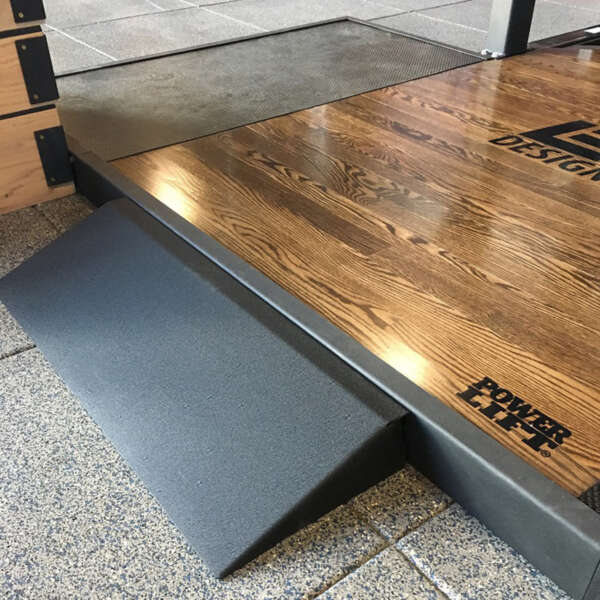
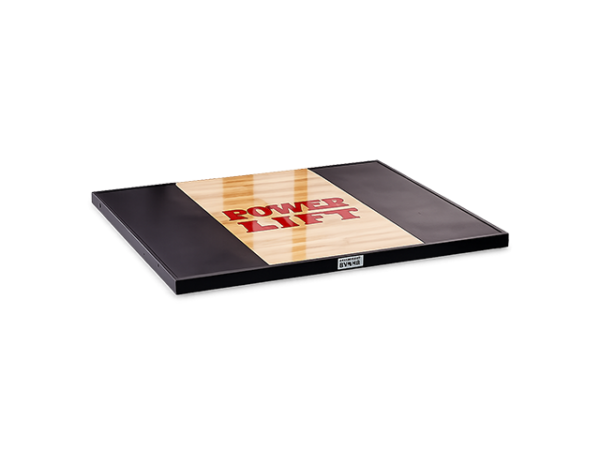
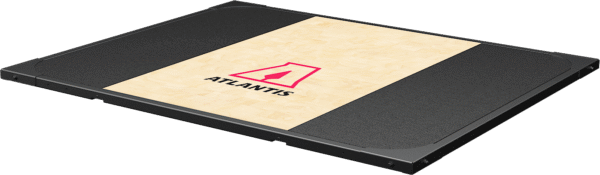
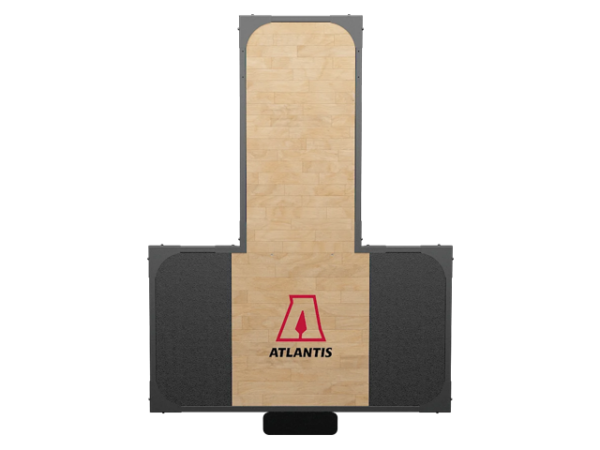
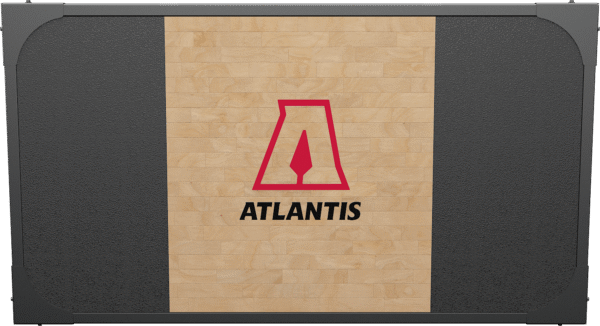
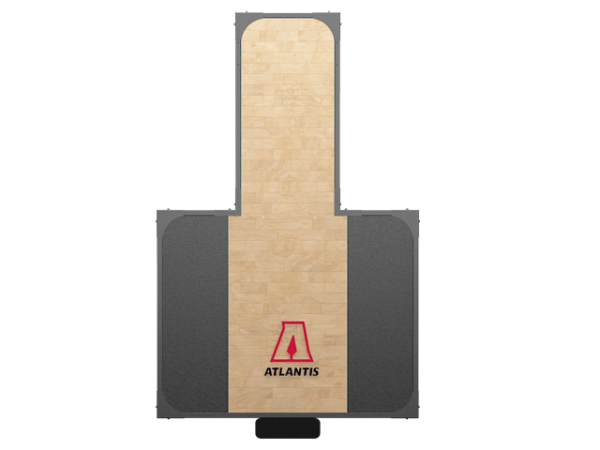
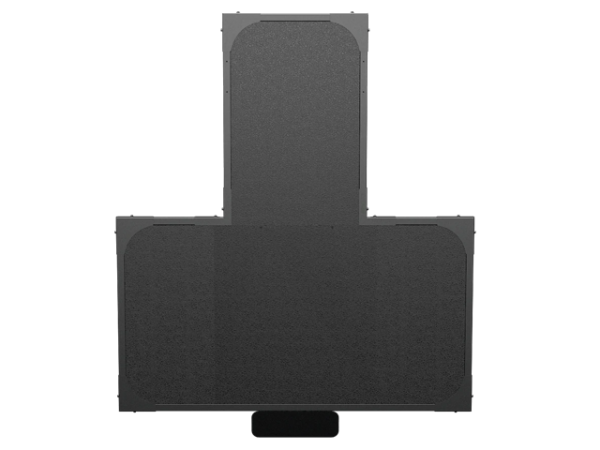
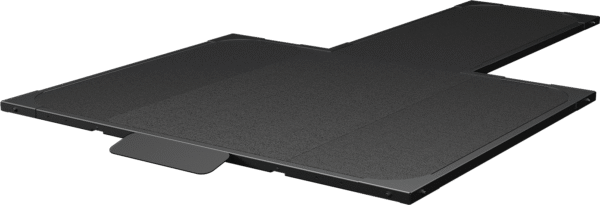
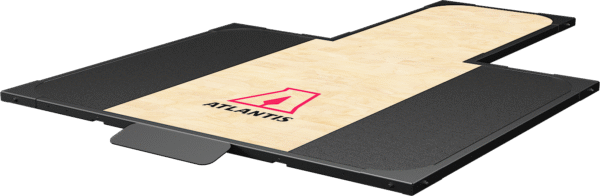
Modern weightlifting platforms can include a core lifting area surrounded by impact-absorbing parts. This combination offers a variety of lifting requirements while also providing space for the barbell and weight plates. An Olympic platform is especially beneficial for facilities that incorporate cleans, snatches, and other Olympic-style lifts into their strength and conditioning programmes.
Deadlift platforms offer a dedicated surface for repetitive pulling operations, making them appropriate for both conventional and alternative deadlift variations. However, not all platforms are designed the same way. Models vary in size, surface material, construction, and impact protection. Understanding these distinctions enables gym operators to select the platform that best suits their training requirements, equipment configuration, and available floor space.
How to Choose the Right Weightlifting Platform
Selecting the right weightlifting platform starts with understanding how it will be used. Facilities focused on Olympic lifting may require a different configuration from those primarily accommodating deadlifts or general barbell training. The platform’s dimensions should comfortably accommodate the lifter, barbell and weight plates without unnecessarily restricting movement.
Surface material is another important consideration. Hardwood and rubberised surfaces offer different characteristics and should be assessed according to the intended lifting application. Grip, stability and the platform’s overall construction also influence its suitability for regular training use.
For commercial gyms, construction quality and suitability for frequent use are particularly important, especially when multiple members share the same training area. Boutique studios and performance centres may also need to consider how the platform fits within their wider equipment layout. For home gyms, footprint, installation requirements and compatibility with existing flooring deserve closer attention.
Before purchasing, assess the platform against your intended training loads, lifting style and flooring conditions. Reviewing product specifications and installation requirements can help ensure the selected platform is appropriate for your facility, whether you are creating a dedicated Olympic lifting area or setting up a space for regular deadlift training.
Why Choose Performaxx for Gym Platforms?
Performaxx provides gym platforms from well-known equipment brands like as Power Lift and Atlantis, with options for hardwood and rubberised surfaces. The product line comprises specific Olympic platforms, jammer platforms, and deadlift platforms for various strength training purposes. Whether you’re outfitting a commercial facility or building a home gym, look into the many possibilities and evaluate their construction, dimensions, and intended usage. Choose a platform that will complement your barbells, weight plates, and overall workout setup.
Frequently Asked Questions
What is a gym platform used for?
Gym platforms provide a distinct surface for barbell exercises such as deadlifts, squats, and Olympic lifts, thereby organising the lifting area.
Are weightlifting platforms suitable for home gyms?
Yes. Weightlifting platforms can be used in home gyms as long as their dimensions, installation requirements, and surface construction are appropriate for the area available.
What is the difference between an Olympic platform and a deadlift platform?
Olympic platforms may allow dynamic lifts like cleans and snatches, whereas deadlift platforms are meant for repeated pulling motions.
Do gym platforms protect flooring?
Depending on its design and impact-absorbing materials, gym platforms can assist preserve surrounding flooring from the impact of dropped weights.
How much space do deadlift platforms require?
The space requirements vary by model. Consider the platform size, as well as space for the lifter, barbell, weight plates, and safe movement.
What materials should I look for in a weightlifting platform?
Look for acceptable hardwood or rubberized surfaces that provide grip, stability, impact management, and compatibility with your intended lifting activities.
Showing 1–12 of 14 resultsSorted by latest


Create a Dedicated Lifting Space with Gym Platforms
A dedicated space is an important factor for facilities that incorporate barbell training into their daily routine. Gym platforms provide a defined space for workouts such as deadlifts, squats, Olympic weightlifting, and other loaded barbell movements. They help to provide a consistent training environment by keeping the lifting area apart from other gym activities.
Modern weightlifting platforms can include a core lifting area surrounded by impact-absorbing parts. This combination offers a variety of lifting requirements while also providing space for the barbell and weight plates. An Olympic platform is especially beneficial for facilities that incorporate cleans, snatches, and other Olympic-style lifts into their strength and conditioning programmes.
Deadlift platforms offer a dedicated surface for repetitive pulling operations, making them appropriate for both conventional and alternative deadlift variations. However, not all platforms are designed the same way. Models vary in size, surface material, construction, and impact protection. Understanding these distinctions enables gym operators to select the platform that best suits their training requirements, equipment configuration, and available floor space.
How to Choose the Right Weightlifting Platform
Selecting the right weightlifting platform starts with understanding how it will be used. Facilities focused on Olympic lifting may require a different configuration from those primarily accommodating deadlifts or general barbell training. The platform’s dimensions should comfortably accommodate the lifter, barbell and weight plates without unnecessarily restricting movement.
Surface material is another important consideration. Hardwood and rubberised surfaces offer different characteristics and should be assessed according to the intended lifting application. Grip, stability and the platform’s overall construction also influence its suitability for regular training use.
For commercial gyms, construction quality and suitability for frequent use are particularly important, especially when multiple members share the same training area. Boutique studios and performance centres may also need to consider how the platform fits within their wider equipment layout. For home gyms, footprint, installation requirements and compatibility with existing flooring deserve closer attention.
Before purchasing, assess the platform against your intended training loads, lifting style and flooring conditions. Reviewing product specifications and installation requirements can help ensure the selected platform is appropriate for your facility, whether you are creating a dedicated Olympic lifting area or setting up a space for regular deadlift training.
Why Choose Performaxx for Gym Platforms?
Performaxx provides gym platforms from well-known equipment brands like as Power Lift and Atlantis, with options for hardwood and rubberised surfaces. The product line comprises specific Olympic platforms, jammer platforms, and deadlift platforms for various strength training purposes. Whether you’re outfitting a commercial facility or building a home gym, look into the many possibilities and evaluate their construction, dimensions, and intended usage. Choose a platform that will complement your barbells, weight plates, and overall workout setup.
Frequently Asked Questions
What is a gym platform used for?
Gym platforms provide a distinct surface for barbell exercises such as deadlifts, squats, and Olympic lifts, thereby organising the lifting area.
Are weightlifting platforms suitable for home gyms?
Yes. Weightlifting platforms can be used in home gyms as long as their dimensions, installation requirements, and surface construction are appropriate for the area available.
What is the difference between an Olympic platform and a deadlift platform?
Olympic platforms may allow dynamic lifts like cleans and snatches, whereas deadlift platforms are meant for repeated pulling motions.
Do gym platforms protect flooring?
Depending on its design and impact-absorbing materials, gym platforms can assist preserve surrounding flooring from the impact of dropped weights.
How much space do deadlift platforms require?
The space requirements vary by model. Consider the platform size, as well as space for the lifter, barbell, weight plates, and safe movement.
What materials should I look for in a weightlifting platform?
Look for acceptable hardwood or rubberized surfaces that provide grip, stability, impact management, and compatibility with your intended lifting activities.

