

Plyometrics is a practical method for increasing explosive strength, power, agility, and coordination through dynamic exercises. Jumps, step-ups, bounds, and controlled landing drills are common exercises in plyometric training, making it beneficial to both athletes and ordinary fitness enthusiasts. The correct plyometric box can provide adaptability to these workouts. Performaxx provides dependable commercial fitness equipment for gyms, sports facilities, and home training areas, allowing customers to create dynamic, performance-oriented workouts.
Commercial Plyometric Equipment for Power and Conditioning
Plyometric equipment is intended to promote explosive movement and athletic conditioning while also allowing exercises to be tailored to various training levels. A organised programme can include box jumps, squat jumps, step-ups, lateral jumps, depth jumps, and controlled landing drills.
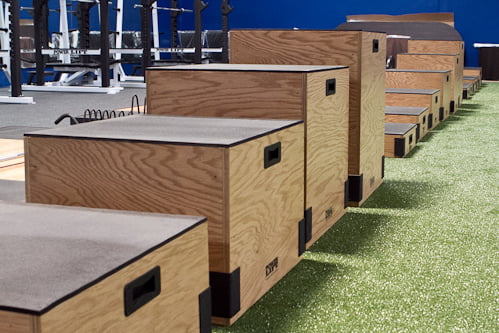
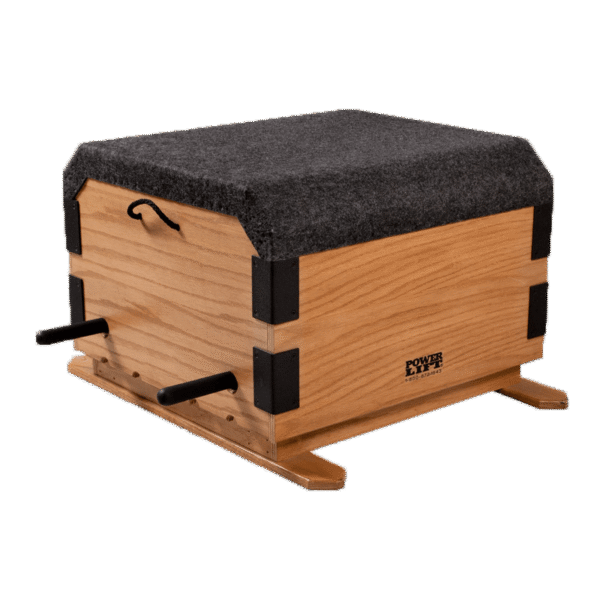
A plyometric box can be used for more than just jumping. With proper technique, it can help with lower-impact exercises, mobility drills, step-ups, and strength conditioning. Equipment possibilities include wooden plyometric boxes, steel-framed designs, foam-covered boxes, soft plyo boxes, and multi-height plyo box sets.
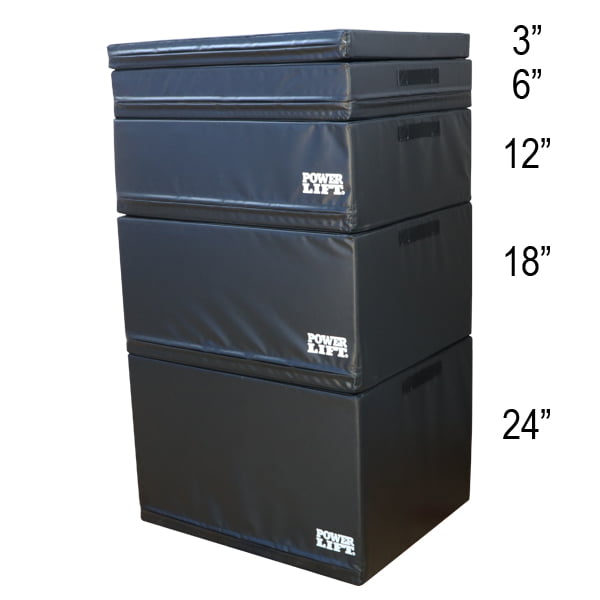
A plyometric jump box with different height settings can provide users with greater flexibility as their training progresses. A soft plyo box may provide a more forgiving landing surface when users make contact with it, which can be advantageous in circumstances where landing comfort and confidence are important.
For commercial applications, stability, surface grip, box height, construction quality, landing area, and weight capacity are all important. Equipment should be chosen according on the user’s experience, desired exercises, and available floor space.
Choosing the Right Plyometric Jump Box
Choosing a plyometric box begins with determining how it will be used. The decision should consider the training level, targeted exercises, available space, facility needs, and predicted training volume.
Consider:
- Box height: Choose a height that is appropriate for the targeted exercises and the user’s abilities.
- Fixed or multi-height design: Multiple heights can increase training flexibility.
- Surface grip: A secure surface promotes stability during takeoff and landing.
- Construction: Based on your training needs, choose between soft foam padding and a firmer hard-surface construction.
- Weight capacity: Structural strength is especially crucial for repeated commercial use.
- Dimensions: Consider the landing area and the total floor footprint.
- Movement and storage: Practical designs are easy to relocate or store as floor space changes.
- User suitability: Consider whether the equipment will be used mostly by beginners, athletes, or in group sessions.
- Commercial durability: Frequent use necessitates structure that can sustain repeated training.
- Equipment compatibility: Consider how the box will interact with other functional training equipment.
A soft plyo box may be appropriate for facilities that value landing comfort and user confidence, whereas a solid plyometric jump box might provide a stable foundation for explosive motions. A plyo box set can provide additional variety, but the best configuration relies on the training environment rather than a single design that is suited for everyone.
Why Choose Performaxx for Plyometrics Equipment?
Performaxx offers plyometrics equipment for commercial gyms, personal training studios, sports performance facilities, functional training areas, and home gyms. When equipment is used regularly throughout training sessions, it is critical to have stable construction, appropriate height options, durable surfaces, and dependable functioning.
Whether you need a plyometric box, soft plyo box, or plyo box set, the proper decision should be based on your training objectives, users, available space, and storage needs. Explore the Performaxx range or contact the experts for advice on selecting equipment for your training setting.
Frequently Asked Questions
What is plyometric training?
Plyometric training involves quick, dynamic movements to build explosive strength and power. Common exercises include box jumps, squat leaps, bounds, and lateral jumps, with controlled landings to assist users develop movement control and coordination.
Is a soft plyo box suitable for beginners?
A soft plyo box might be excellent for novices, especially if landing comfort and confidence are important. Users should still choose a suitable box height and practice-controlled technique rather than simply jumping higher.
Should I buy a plyo box set or one box?
The decision is based on training requirements, available space, and the variety of exercises planned. A plyo box set can accommodate several heights, but a single box may suffice for a more targeted training schedule.
What should I look for when buying a plyometric box?
Consider box height, stability, surface grip, construction, weight capacity, proportions, and storage needs. Durability and resistance to frequent usage are significant factors to consider when buying equipment for commercial operations.
Are plyometric boxes suitable for commercial gyms?
Yes. Plyometric boxes can help with jumping, step-ups, conditioning, mobility, and functional training in commercial gyms. The equipment should be chosen based on the projected usage, user experience, available space, and the requirements of repeated training.
Showing all 3 resultsSorted by latest
Commercial Plyometric Equipment for Power and Conditioning
Plyometric equipment is intended to promote explosive movement and athletic conditioning while also allowing exercises to be tailored to various training levels. A organised programme can include box jumps, squat jumps, step-ups, lateral jumps, depth jumps, and controlled landing drills.
A plyometric box can be used for more than just jumping. With proper technique, it can help with lower-impact exercises, mobility drills, step-ups, and strength conditioning. Equipment possibilities include wooden plyometric boxes, steel-framed designs, foam-covered boxes, soft plyo boxes, and multi-height plyo box sets.
A plyometric jump box with different height settings can provide users with greater flexibility as their training progresses. A soft plyo box may provide a more forgiving landing surface when users make contact with it, which can be advantageous in circumstances where landing comfort and confidence are important.
For commercial applications, stability, surface grip, box height, construction quality, landing area, and weight capacity are all important. Equipment should be chosen according on the user’s experience, desired exercises, and available floor space.
Choosing the Right Plyometric Jump Box
Choosing a plyometric box begins with determining how it will be used. The decision should consider the training level, targeted exercises, available space, facility needs, and predicted training volume.
Consider:
- Box height: Choose a height that is appropriate for the targeted exercises and the user’s abilities.
- Fixed or multi-height design: Multiple heights can increase training flexibility.
- Surface grip: A secure surface promotes stability during takeoff and landing.
- Construction: Based on your training needs, choose between soft foam padding and a firmer hard-surface construction.
- Weight capacity: Structural strength is especially crucial for repeated commercial use.
- Dimensions: Consider the landing area and the total floor footprint.
- Movement and storage: Practical designs are easy to relocate or store as floor space changes.
- User suitability: Consider whether the equipment will be used mostly by beginners, athletes, or in group sessions.
- Commercial durability: Frequent use necessitates structure that can sustain repeated training.
- Equipment compatibility: Consider how the box will interact with other functional training equipment.
A soft plyo box may be appropriate for facilities that value landing comfort and user confidence, whereas a solid plyometric jump box might provide a stable foundation for explosive motions. A plyo box set can provide additional variety, but the best configuration relies on the training environment rather than a single design that is suited for everyone.
Why Choose Performaxx for Plyometrics Equipment?
Performaxx offers plyometrics equipment for commercial gyms, personal training studios, sports performance facilities, functional training areas, and home gyms. When equipment is used regularly throughout training sessions, it is critical to have stable construction, appropriate height options, durable surfaces, and dependable functioning.
Whether you need a plyometric box, soft plyo box, or plyo box set, the proper decision should be based on your training objectives, users, available space, and storage needs. Explore the Performaxx range or contact the experts for advice on selecting equipment for your training setting.
Frequently Asked Questions
What is plyometric training?
Plyometric training involves quick, dynamic movements to build explosive strength and power. Common exercises include box jumps, squat leaps, bounds, and lateral jumps, with controlled landings to assist users develop movement control and coordination.
Is a soft plyo box suitable for beginners?
A soft plyo box might be excellent for novices, especially if landing comfort and confidence are important. Users should still choose a suitable box height and practice-controlled technique rather than simply jumping higher.
Should I buy a plyo box set or one box?
The decision is based on training requirements, available space, and the variety of exercises planned. A plyo box set can accommodate several heights, but a single box may suffice for a more targeted training schedule.
What should I look for when buying a plyometric box?
Consider box height, stability, surface grip, construction, weight capacity, proportions, and storage needs. Durability and resistance to frequent usage are significant factors to consider when buying equipment for commercial operations.
Are plyometric boxes suitable for commercial gyms?
Yes. Plyometric boxes can help with jumping, step-ups, conditioning, mobility, and functional training in commercial gyms. The equipment should be chosen based on the projected usage, user experience, available space, and the requirements of repeated training.

