

Squat wedges are useful training accessories for squat positioning, ankle mobility work, and lower-body strength workouts. Raising the heels changes the angle of the feet, allowing users to practice numerous squat variations with more consistency. A high-quality squat wedge block can be used in commercial gyms, personal training locations, and at home.
Commercial Squat Wedges for Lower-Body Training
Squat wedges are useful for a variety of lower-body exercises, including basic squats, heel-elevated squats, split squats, calf raises, and mobility-focused motions. Placing the heels on a raised platform might change the foot posture, potentially assisting some users in maintaining a more upright torso during some squat variations.
A squat heel wedge can also help persons who have limited ankle mobility, although it should be used in conjunction with mobility exercises or professional counsel where necessary.
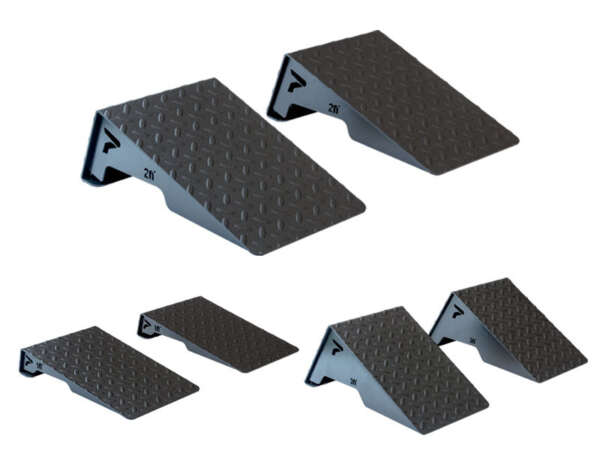
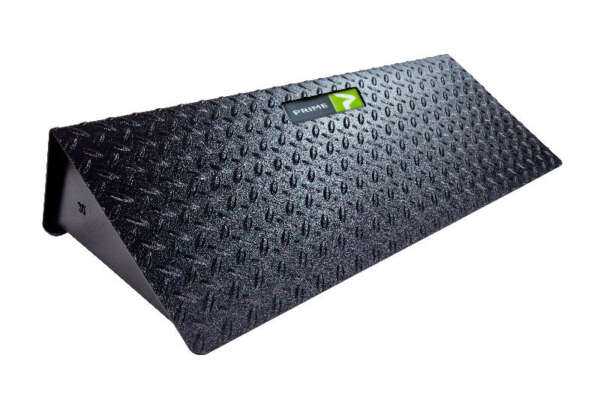
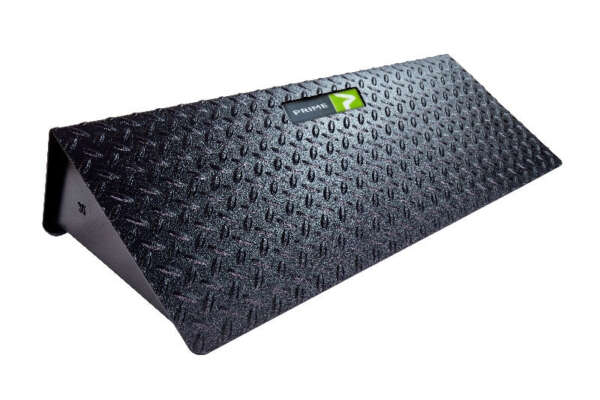
Different designs are offered to accommodate different training situations. Fixed-angle wedge blocks give uniform elevation, while rubber squat wedges and sloped platforms provide a sturdy surface for repeated usage. An adjustable squat wedge allows users to vary the elevation based on their movement or training needs.
For commercial use, robust construction, non-slip surfaces, appropriate height and angle, sufficient weight capacity, and compatibility with various training environments are all important. The appropriate solution should support the user’s technique, training objectives, and desired movements.
Choosing the Right Squat Wedge Block
When comparing squat wedges for sale, first consider how and where they will be utilised. Training objectives, preferred squat variants, available floor space, and anticipated frequency of use can all affect the best option.
Consider:
- Fixed or adjustable elevation: Fixed wedges give consistency, whereas adjustable designs provide greater flexibility.
- Wedge angle and height: Choose an elevation that is adequate for the desired movements rather than presuming that one angle works for everyone.
- Width and foot placement: The platform should have sufficient space for stable and consistent positioning.
- Surface and base stability: A non-slip top and a solid base are essential for loaded movements.
- Material and durability: Commercial spaces benefit from strong materials that can sustain frequent use.
- Weight capacity: Check that the wedge is appropriate for the expected training loads.
- Portability and storage: Compact designs may be preferable when equipment needs to be moved or stored frequently.
- Exercise compatibility: Consider whether the wedge can accommodate squats, split squats, calf raises, and other targeted activities.
- Cleaning and maintenance: Easy-to-clean surfaces are especially handy in shared gym facilities.
- Training setup: Individual users and group training facilities may have different equipment requirements.
A squat heel wedge is excellent for heel-elevated squat variations, while an adjustable squat wedge allows users more freedom when altering elevation. The proper wedge squat configuration should always match the individual’s technique and training needs.
Why Choose Performaxx Squat Wedges?
Performaxx squat wedges are ideal for commercial gyms, personal training studios, sports performance centres, strength facilities, and home gyms that require robust, functional training equipment. Secure foot positioning, sturdy surfaces, and appropriate elevation options can all help to ensure consistent use throughout various lower-body activities.
Whether you need a squat wedge block, a squat heel wedge, or an adjustable squat wedge, Performaxx can assist you in determining the training objectives, user requirements, and available space. Explore the options or contact the team for help selecting one that is best suited to your training environment.
Frequently Asked Questions
What is a squat wedge block?
A squat wedge block is a raised training platform that lifts the heels or supports a certain foot position during lower-body activities. It is suitable for squats, split squats, calf lifts, and other mobility-focused exercises.
What is a squat heel wedge?
A squat heel wedge is a sloped platform that elevates the heels during specific squat variants. This alters the relationship between the feet and the floor, which may allow certain users to keep their favoured squat position.
Is an adjustable squat wedge better than a fixed wedge?
An adjustable squat wedge provides versatility since its elevation can be adjusted to accommodate varied actions or individuals. A fixed wedge maintains consistent alignment. The best solution is determined by your training needs, available area, and intended use.
Are wedge squats suitable for beginners?
Beginners can utilise wedge squats if they are appropriate for their training level and completed with proper technique. Starting with reasonable loads and developing good squat mechanics is more important than choosing a specific wedge angle.
What should I look for when buying squat wedges?
Consider the wedge angle and height, surface grip, base stability, construction material, weight capacity, mobility, storage, and exercise suitability. Durability and ease of cleaning are other significant factors to consider in commercial gyms.
Can squat wedges improve ankle mobility?
Squat wedges can help with mobility-related activities and allow users to practice squatting with elevated heels. However, utilising a wedge does not automatically enhance ankle mobility, thus it should not be used as a substitute for specialised mobility work.
Showing all 12 resultsSorted by latest
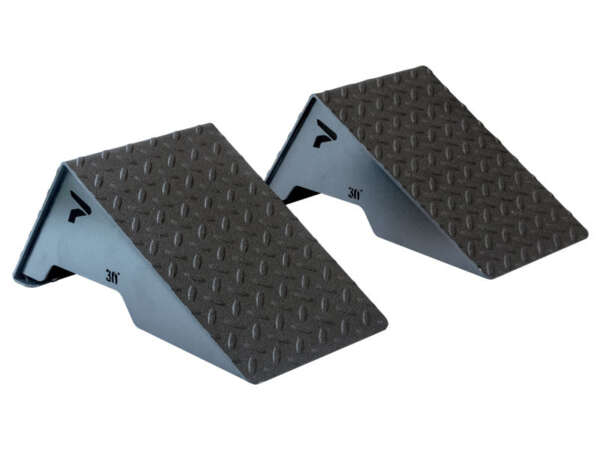
Commercial Squat Wedges for Lower-Body Training
Squat wedges are useful for a variety of lower-body exercises, including basic squats, heel-elevated squats, split squats, calf raises, and mobility-focused motions. Placing the heels on a raised platform might change the foot posture, potentially assisting some users in maintaining a more upright torso during some squat variations.
A squat heel wedge can also help persons who have limited ankle mobility, although it should be used in conjunction with mobility exercises or professional counsel where necessary.
Different designs are offered to accommodate different training situations. Fixed-angle wedge blocks give uniform elevation, while rubber squat wedges and sloped platforms provide a sturdy surface for repeated usage. An adjustable squat wedge allows users to vary the elevation based on their movement or training needs.
For commercial use, robust construction, non-slip surfaces, appropriate height and angle, sufficient weight capacity, and compatibility with various training environments are all important. The appropriate solution should support the user’s technique, training objectives, and desired movements.
Choosing the Right Squat Wedge Block
When comparing squat wedges for sale, first consider how and where they will be utilised. Training objectives, preferred squat variants, available floor space, and anticipated frequency of use can all affect the best option.
Consider:
- Fixed or adjustable elevation: Fixed wedges give consistency, whereas adjustable designs provide greater flexibility.
- Wedge angle and height: Choose an elevation that is adequate for the desired movements rather than presuming that one angle works for everyone.
- Width and foot placement: The platform should have sufficient space for stable and consistent positioning.
- Surface and base stability: A non-slip top and a solid base are essential for loaded movements.
- Material and durability: Commercial spaces benefit from strong materials that can sustain frequent use.
- Weight capacity: Check that the wedge is appropriate for the expected training loads.
- Portability and storage: Compact designs may be preferable when equipment needs to be moved or stored frequently.
- Exercise compatibility: Consider whether the wedge can accommodate squats, split squats, calf raises, and other targeted activities.
- Cleaning and maintenance: Easy-to-clean surfaces are especially handy in shared gym facilities.
- Training setup: Individual users and group training facilities may have different equipment requirements.
A squat heel wedge is excellent for heel-elevated squat variations, while an adjustable squat wedge allows users more freedom when altering elevation. The proper wedge squat configuration should always match the individual’s technique and training needs.
Why Choose Performaxx Squat Wedges?
Performaxx squat wedges are ideal for commercial gyms, personal training studios, sports performance centres, strength facilities, and home gyms that require robust, functional training equipment. Secure foot positioning, sturdy surfaces, and appropriate elevation options can all help to ensure consistent use throughout various lower-body activities.
Whether you need a squat wedge block, a squat heel wedge, or an adjustable squat wedge, Performaxx can assist you in determining the training objectives, user requirements, and available space. Explore the options or contact the team for help selecting one that is best suited to your training environment.
Frequently Asked Questions
What is a squat wedge block?
A squat wedge block is a raised training platform that lifts the heels or supports a certain foot position during lower-body activities. It is suitable for squats, split squats, calf lifts, and other mobility-focused exercises.
What is a squat heel wedge?
A squat heel wedge is a sloped platform that elevates the heels during specific squat variants. This alters the relationship between the feet and the floor, which may allow certain users to keep their favoured squat position.
Is an adjustable squat wedge better than a fixed wedge?
An adjustable squat wedge provides versatility since its elevation can be adjusted to accommodate varied actions or individuals. A fixed wedge maintains consistent alignment. The best solution is determined by your training needs, available area, and intended use.
Are wedge squats suitable for beginners?
Beginners can utilise wedge squats if they are appropriate for their training level and completed with proper technique. Starting with reasonable loads and developing good squat mechanics is more important than choosing a specific wedge angle.
What should I look for when buying squat wedges?
Consider the wedge angle and height, surface grip, base stability, construction material, weight capacity, mobility, storage, and exercise suitability. Durability and ease of cleaning are other significant factors to consider in commercial gyms.
Can squat wedges improve ankle mobility?
Squat wedges can help with mobility-related activities and allow users to practice squatting with elevated heels. However, utilising a wedge does not automatically enhance ankle mobility, thus it should not be used as a substitute for specialised mobility work.

