

Gym collars are a simple but essential barbell accessory, designed to hold weight plates firmly in position throughout every lift.
Whether you’re equipping a commercial gym, a home setup or a powerlifting space, quality collars keep the bar balanced and the load secure. They’re especially important when the bar is moved, rotated or repositioned, giving lifters the confidence to train with control.
Secure Your Plates with Gym Barbell Clips
Gym barbell clips fit over the sleeve of a loaded barbell, holding plates tight against the inner collar. Without them, plates can creep along the sleeve and throw the bar off balance.
Collars are used across almost every barbell exercise, including squats, bench presses, deadlifts, overhead presses and Olympic style lifts.
Designs vary to suit different needs:
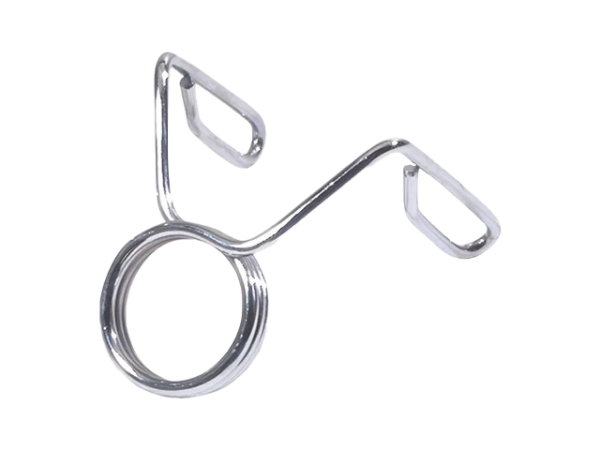
- Spring collars are simple, affordable and quick to squeeze on and off
- Clamp style collars grip the sleeve firmly for a more secure hold
- Lockable designs add extra holding strength for heavy or dynamic work
- Quick release mechanisms make plate changes fast between sets
Grip strength, the opening mechanism, bar compatibility and ease of adjustment all shape how practical a collar is day to day.
Customers often search for bar clips gym equipment, but the product is the same: a barbell collar. A lifting belt clip, however, is a separate accessory for weightlifting belts and isn’t a barbell collar.
How to Choose the Best Weightlifting Collars
Finding the best weightlifting collars starts with bar compatibility. Most commercial setups use Olympic bars with 50 mm sleeves, so check that your collars are designed for Olympic sized bars, or for the specific bar diameter you use.
Next, consider:
- Locking strength and how well the collar holds under load
- Ease of use, including one handed operation
- Grip on the sleeve and resistance to slipping
- Durability for frequent, repeated use
- How quickly collars can be fitted and removed between exercises
The right collar also depends on how you train. Olympic lifters and athletes doing dynamic movements usually prioritise fast adjustment and a strong, secure locking mechanism, since bars are moved quickly and often dropped. General strength training tends to focus on simplicity, reliability and durability.
For busy commercial gyms, collars that are quick to use and built to last will make the biggest difference across a full training floor.
Why Choose Performaxx for Gym Collars?
Performaxx supplies practical strength training accessories designed to complement commercial and home gym setups. Our range of gym collars is selected with secure plate positioning, durable construction and ease of use in mind, suiting a wide range of training environments.
Quality collars are an important part of a complete barbell setup, working alongside barbells, weight plates and storage equipment to keep training safe and efficient.
Explore our range and choose collars that suit your bar type, training style and how often your equipment is used.
Frequently Asked Questions
What are gym collars used for?
Gym collars hold weight plates securely on a barbell. They stop plates sliding along the sleeve during lifts, keeping the load balanced and helping lifters train more safely during squats, presses, deadlifts and Olympic lifts.
Are gym barbell clips the same as collars?
Yes. Gym barbell clips and collars refer to the same accessory. Both terms describe devices that fit over a barbell sleeve to keep plates in place, though designs range from spring clips to locking clamps.
How do I choose the right barbell collar?
Check that it fits your bar diameter, usually 50 mm for Olympic bars. Then compare locking strength, grip, durability and how quickly it fits and releases, based on your training style and frequency of use.
Are bar clips gym accessories?
Yes. Bar clips are a common gym accessory, used to secure weight plates on barbells. They're another name for barbell collars and are found in almost every commercial and home gym strength area.
What is a lifting belt clip?
A lifting belt clip is a buckle or fastening mechanism on a weightlifting belt. It is a separate accessory from barbell collars and is not used to secure plates on a barbell.
Do I need collars for weightlifting?
Collars are strongly recommended for most barbell training. They keep plates from shifting, help maintain an even load and reduce the risk of plates sliding off during heavy, fast or unbalanced lifts.
What makes the best weightlifting collars?
The best weightlifting collars fit your bar securely, lock firmly under load and are quick to fit and remove. Durable construction and reliable grip matter most in busy gyms where collars are used constantly.
Showing all 3 resultsSorted by latest

Secure Your Plates with Gym Barbell Clips
Gym barbell clips fit over the sleeve of a loaded barbell, holding plates tight against the inner collar. Without them, plates can creep along the sleeve and throw the bar off balance.
Collars are used across almost every barbell exercise, including squats, bench presses, deadlifts, overhead presses and Olympic style lifts.
Designs vary to suit different needs:
- Spring collars are simple, affordable and quick to squeeze on and off
- Clamp style collars grip the sleeve firmly for a more secure hold
- Lockable designs add extra holding strength for heavy or dynamic work
- Quick release mechanisms make plate changes fast between sets
Grip strength, the opening mechanism, bar compatibility and ease of adjustment all shape how practical a collar is day to day.
Customers often search for bar clips gym equipment, but the product is the same: a barbell collar. A lifting belt clip, however, is a separate accessory for weightlifting belts and isn’t a barbell collar.
How to Choose the Best Weightlifting Collars
Finding the best weightlifting collars starts with bar compatibility. Most commercial setups use Olympic bars with 50 mm sleeves, so check that your collars are designed for Olympic sized bars, or for the specific bar diameter you use.
Next, consider:
- Locking strength and how well the collar holds under load
- Ease of use, including one handed operation
- Grip on the sleeve and resistance to slipping
- Durability for frequent, repeated use
- How quickly collars can be fitted and removed between exercises
The right collar also depends on how you train. Olympic lifters and athletes doing dynamic movements usually prioritise fast adjustment and a strong, secure locking mechanism, since bars are moved quickly and often dropped. General strength training tends to focus on simplicity, reliability and durability.
For busy commercial gyms, collars that are quick to use and built to last will make the biggest difference across a full training floor.
Why Choose Performaxx for Gym Collars?
Performaxx supplies practical strength training accessories designed to complement commercial and home gym setups. Our range of gym collars is selected with secure plate positioning, durable construction and ease of use in mind, suiting a wide range of training environments.
Quality collars are an important part of a complete barbell setup, working alongside barbells, weight plates and storage equipment to keep training safe and efficient.
Explore our range and choose collars that suit your bar type, training style and how often your equipment is used.
Frequently Asked Questions
What are gym collars used for?
Gym collars hold weight plates securely on a barbell. They stop plates sliding along the sleeve during lifts, keeping the load balanced and helping lifters train more safely during squats, presses, deadlifts and Olympic lifts.
Are gym barbell clips the same as collars?
Yes. Gym barbell clips and collars refer to the same accessory. Both terms describe devices that fit over a barbell sleeve to keep plates in place, though designs range from spring clips to locking clamps.
How do I choose the right barbell collar?
Check that it fits your bar diameter, usually 50 mm for Olympic bars. Then compare locking strength, grip, durability and how quickly it fits and releases, based on your training style and frequency of use.
Are bar clips gym accessories?
Yes. Bar clips are a common gym accessory, used to secure weight plates on barbells. They're another name for barbell collars and are found in almost every commercial and home gym strength area.
What is a lifting belt clip?
A lifting belt clip is a buckle or fastening mechanism on a weightlifting belt. It is a separate accessory from barbell collars and is not used to secure plates on a barbell.
Do I need collars for weightlifting?
Collars are strongly recommended for most barbell training. They keep plates from shifting, help maintain an even load and reduce the risk of plates sliding off during heavy, fast or unbalanced lifts.
What makes the best weightlifting collars?
The best weightlifting collars fit your bar securely, lock firmly under load and are quick to fit and remove. Durable construction and reliable grip matter most in busy gyms where collars are used constantly.

